Islamabad Becomes Global Diplomatic Hub as JD Vance Arrives for Historic US-Iran Peace Talks
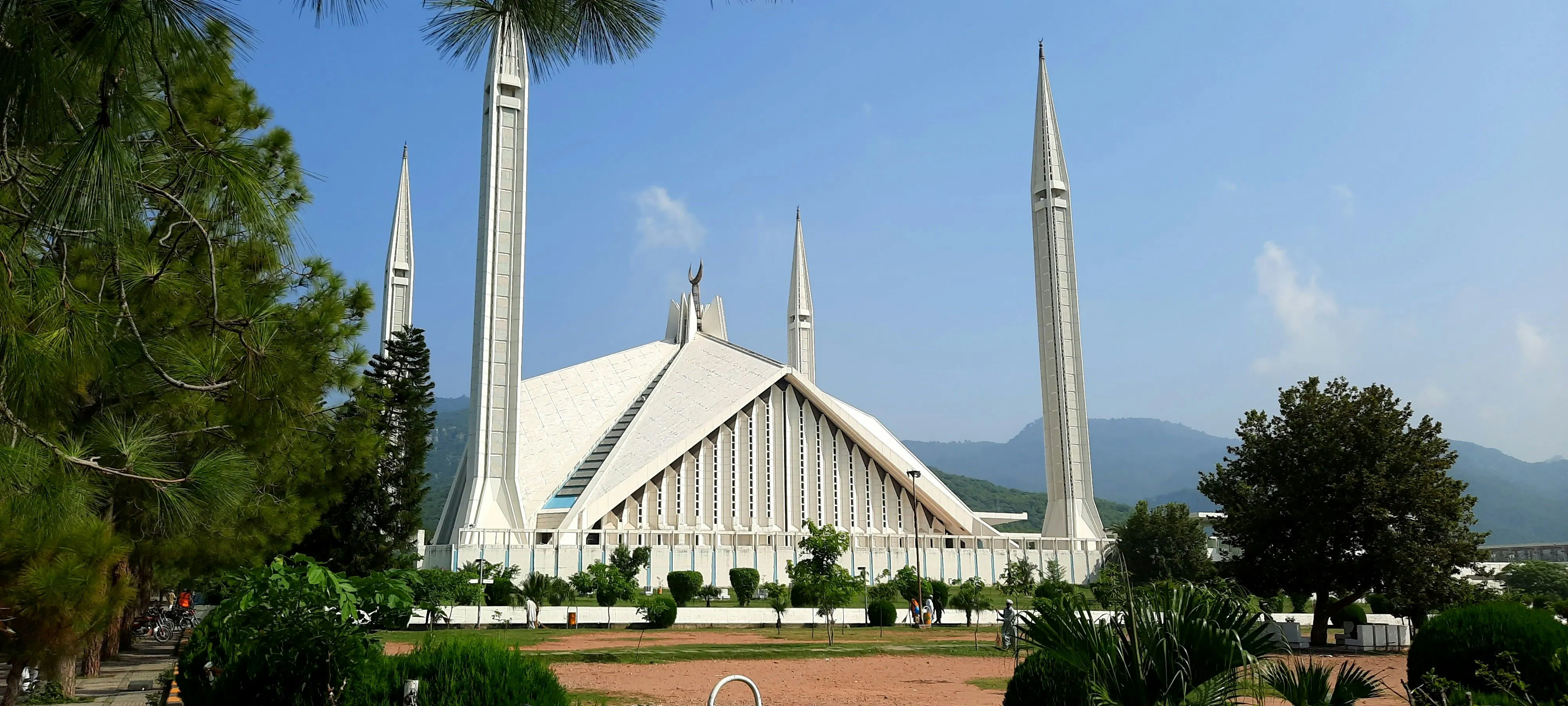
ISLAMABAD — In a landmark shift for global diplomacy, U.S. Vice President JD Vance arrived in Islamabad today, April 11, 2026, to lead high-stakes negotiations with an Iranian delegation. The talks, mediated by Pakistan’s civil and military leadership, aim to cement a fragile two-week ceasefire following six weeks of devastating regional conflict.
Accompanying Vance are senior advisors Jared Kushner and Steve Witkoff, signaling the Trump administration’s intent to leverage personal diplomacy to resolve the "Iran War." The Iranian side is represented by Foreign Minister Abbas Araghchi and Parliament Speaker Mohammad Bagher Ghalibaf.
A Rebranding for Pakistan
The choice of Islamabad as the venue marks a massive win for Pakistan’s image. After years of being viewed through the lens of regional instability, Pakistan has emerged as a "geopolitical asset."
- Trust Broker: Pakistan is currently one of the few nations maintaining enough "strategic trust" with both Washington and Tehran to facilitate such a dialogue.
- Regional Stability: Success in these talks could reposition Pakistan as the primary bridge between the West and the Middle East, potentially unlocking new foreign investment and diplomatic leverage.
The Shadow of Scandal: Insider Trading Allegations
While peace is the public focus, the U.S. government is facing a domestic firestorm. Representative Ritchie Torres and other lawmakers have called for an immediate SEC and CFTC investigation into what they call "potentially the largest instance of insider trading in history."
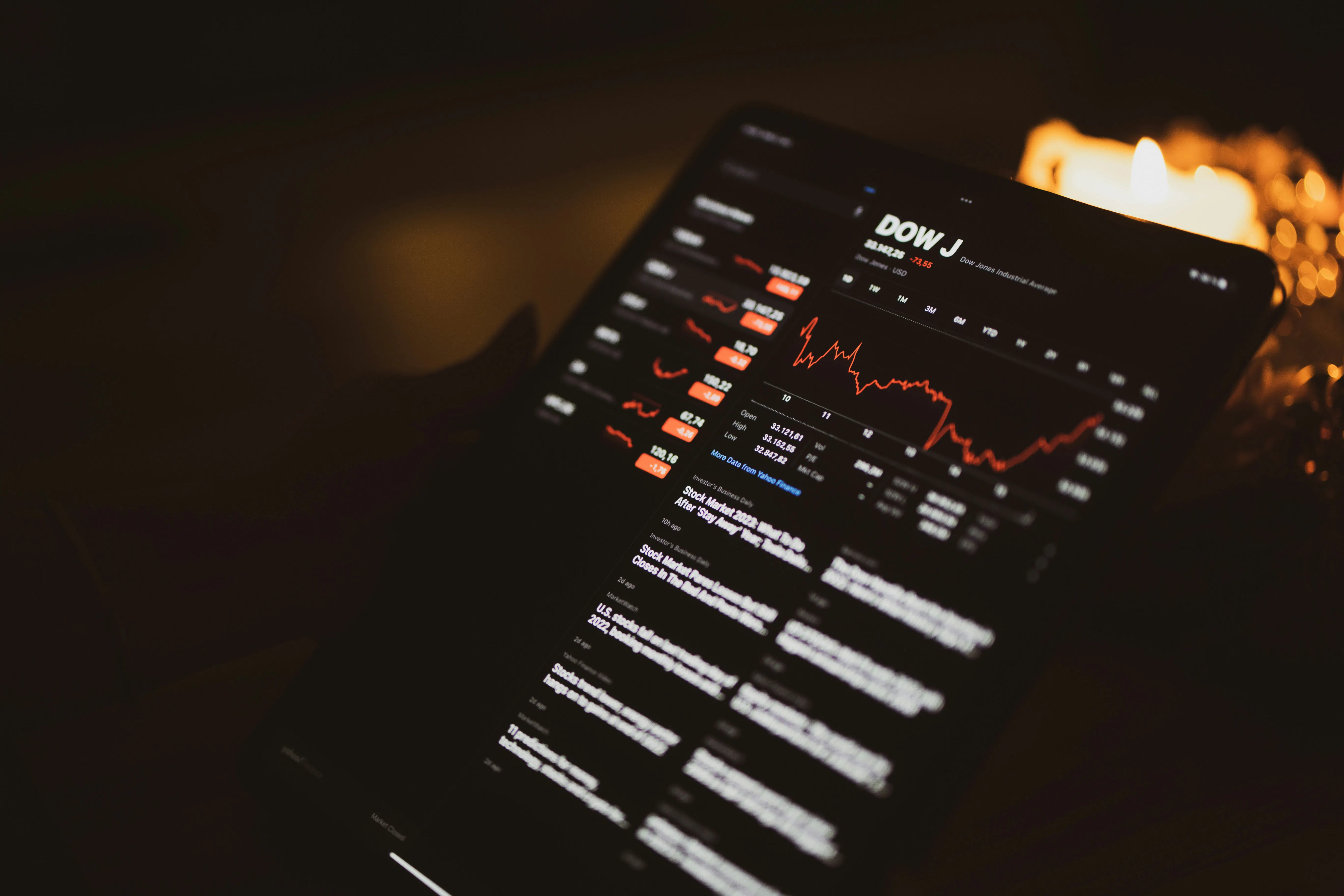
- The Allegation: Reports indicate that minutes before the official ceasefire announcement, massive trades—exceeding $500 million—were executed in oil and equity futures. These "directional bets" perfectly anticipated the subsequent drop in oil prices and the surge in stocks.
- The Response: The White House and regulatory bodies have signaled a "top priority" crackdown on "prediction market" manipulation. However, skeptics within the industry point to political headwinds and staff losses as hurdles to a genuine investigation.
Market & Diplomatic Update: April 2026
1. Geopolitical Assets
- Brent Oil (Post-Conflict): Cooling toward $80/bbl (Success hinges on reopening the Strait of Hormuz).
- Gold (International): Trading near $4,814/oz (Safeguarding against war-driven inflation).
- Gold (Pakistan): Record high of Rs 504,162 per tola (Heavy safe-haven demand).
2. Regional Economic Indicators
- USD to PKR Status: Stabilizing due to remittance growth and diplomatic optimism.
- PSX Performance: The KSE-100 index surged 11.17% this week, reaching 167,191 points.
- Top Sectors: Commercial Banking (MCB, HBL) and Energy are leading the rally.
3. Strategic Recommendations for Traders
For Equity Investors (PSX) The market is currently headline-driven. While the current bull run is strong, watch for "profit-taking" dips. If the Islamabad peace talks result in a signed treaty, expect the KSE-100 to find a new, higher floor.
For Commodity Traders
- Bearish Case for Oil: If the Vance-Iran delegation reaches a permanent agreement, oil prices will likely crater as supply routes clear.
- The Gold Hedge: Even in peace, global supply chain disruptions from the "Iran War" remain. Keeping a portion of your portfolio in Gold protects against the "lagged inflation" that usually follows such conflicts.
The "Hormuz" Indicator Keep your eyes on the Strait of Hormuz transit data. Total restoration of shipping is the ultimate "green light" for a global shift from a war economy to a recovery economy.
Investor & Trader Strategy
As an investor or trader in this volatile 2026 landscape, the strategy must be "cautiously aggressive."
- For Equity Traders (PSX): The KSE-100 is reacting to headlines. Commercial banks (like MCB and HBL) are leading the charge. If the ceasefire turns into a permanent deal, expect a further rally. However, keep an eye on profit-taking, as the index has already seen a sharp vertical climb.
- For Commodities: * Oil: High risk. If you are "long" on oil, a peace deal is your enemy. If you are "short," a breakdown in talks could trigger a catastrophic price spike.
- Gold: Even with peace, gold remains a hedge against the underlying inflation caused by the war's supply chain disruptions.
- The "Hormuz" Factor: The real indicator to watch is the Strait of Hormuz. Total restoration of transit is the "green light" for global economic recovery.
Bottom Line: Pakistan has the floor, and the world is watching. For the first time in decades, Islamabad is not just in the room—it’s running the game. Success could mean a new era of "Pax Pakistanica" in regional diplomacy, while failure risks a return to record-high energy costs and market chaos.