The Rise of Silver: Why the Silver is the Smartest Investment in 2026
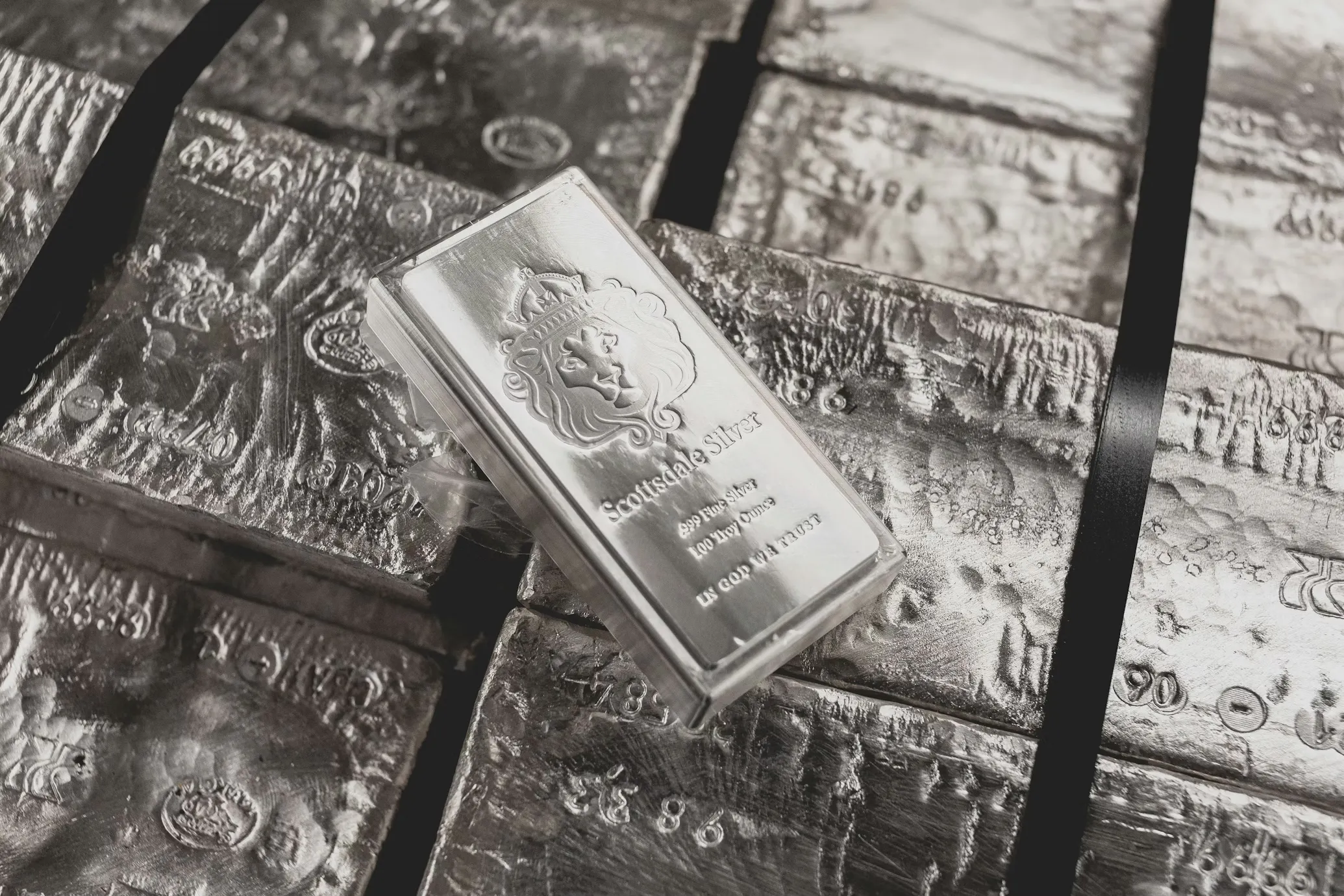
For decades, gold has occupied the spotlight as the ultimate hedge against inflation and economic instability. However, as we move through 2026, a significant shift has occurred in the precious metals market. Silver, often dismissed as gold’s less glamorous cousin, has emerged as a powerhouse asset.
The Accessibility Factor: Investing on a Budget
The primary reason silver has become a favorite for low-income earners is its low barrier to entry. While gold prices in 2026 have reached levels that make even a single gram a luxury—often exceeding several days' wages for many—silver remains divisible and affordable.
For someone with only a few thousand rupees or a small amount of disposable income at the end of the month, buying gold is nearly impossible without saving for months. Silver, however, allows for "micro-investing." Investors can purchase small coins or grams incrementally, effectively practicing dollar-cost averaging. This allows those with tight budgets to build a tangible safety net without straining their daily finances or waiting for a massive windfall.
Industrial Demand: The 2026 "Green" Catalyst
Unlike gold, which is primarily stored in vaults as a store of value, silver is a "working" metal essential to modern technology. In 2026, the global push for green energy has reached a fever pitch. Silver is a critical, non-negotiable component in:
- Solar Energy: The average solar panel requires roughly 20 grams of silver. With global solar capacity expected to jump by nearly 50% this year, the demand is voracious.
- Electric Vehicles (EVs): As the automotive industry shifts away from internal combustion, silver’s conductivity makes it vital for battery management systems and charging infrastructure.
- 5G and AI Infrastructure: The expansion of data centers and high-speed telecommunications relies heavily on silver-coated components.
Because silver is often consumed in these industrial processes and is expensive to recycle in small quantities, the available above-ground supply is constantly shrinking. This creates a "supply-demand deficit" that has been in place for six consecutive years as of 2026, providing a solid floor for prices even during market volatility.
A Reliable Hedge Against Inflation
As traditional paper currencies face volatility and the cost of living continues to climb, silver acts as a "hard asset." It cannot be printed by governments or devalued by central bank policies. For people living on fixed incomes, where the rising cost of groceries and rent eats away at savings, holding physical silver provides a sense of security. Historically, when the cost of living spikes, silver tends to exhibit higher percentage gains during bullish cycles compared to gold, protecting the purchasing power of the average household more effectively.
Current Silver Rates: March 26, 2026
Understanding the market value is crucial for making informed decisions. As of today, March 26, 2026, the silver market is showing strong resilience following a period of high volatility earlier in the year.
International Market (USD):
- Silver Spot Price: The global price currently sits at approximately $73.15 per Troy Ounce.
- Price per Gram: For micro-investors, the rate is roughly $2.35 per gram.
Local Market in Pakistan (PKR): In the local Sarafa markets, silver has seen significant interest as an alternative to the increasingly expensive gold.
- Silver Rate per Tola: The current trading rate is approximately Rs. 7,140 per tola.
- Silver Rate per 10 Grams: It is currently being sold at Rs. 6,120.
(Note: These prices are subject to market fluctuations throughout the trading day and may vary slightly based on local premiums and dealer commissions in different cities.)
The "GSR" Advantage: Identifying Under-valuation
Savvy investors in 2026 are closely watching the Gold-to-Silver Ratio (GSR). This ratio measures how many ounces of silver it takes to buy one ounce of gold. Historically, a high ratio (often above 80:1) suggests that silver is significantly undervalued compared to its "big brother."
Earlier in 2026, the ratio touched a multi-year low as silver began to eclipse gold in net appreciation. For a low-income investor, this means your "cheap" silver has a much higher potential for "catch-up" growth. When gold moves up 5%, silver often moves up 10% or 15%, giving those with smaller portfolios a faster path to growth.
How to Start Your Silver Journey
For those with minimal funds, the strategy should be consistency over quantity.
- Buy Physical Small Units: Instead of waiting to buy a large bar, look for 1-tola coins or 10-gram pieces.
- Verify Purity: Always ensure you are buying "999" fine silver from reputable dealers to ensure ease of resale.
- Safe Storage: Unlike digital assets, physical silver requires a safe spot, but its tangibility provides a psychological sense of ownership that digital numbers on a screen cannot match.
Conclusion
For those with minimal disposable income, silver represents more than just a metal—it represents financial inclusion. It offers a way to step out of the cycle of depreciating paper currency and into a world of tangible, growing wealth. By starting small and remaining consistent, even the most budget-conscious individual can build a portfolio that stands the test of time and inflation.
If you are considering diversifying your portfolio and want to see how silver currently measures up against the yellow metal, you can check the latest gold rates here for a full market comparison.