URGENT: Global Markets at a Breaking Point—The 24-Hour Countdown to the "Trump Ultimatum"
The current geopolitical landscape is defined by the most significant escalation in the Middle East in decades. Following the joint U.S.-Israeli strikes on Iran on February 28, 2026—dubbed "Operation Epic Fury"—and the subsequent retaliatory strikes by Iran, the global commodities market is currently suspended in a state of high-stakes volatility.
As of April 7, 2026, the world is watching a delicate diplomatic dance. With the Strait of Hormuz largely closed and gold prices testing historic highs, the coming days will dictate whether we see a "relief sell-off" or a catastrophic supply crunch.
1. The Current Geopolitical Snapshot
The conflict has fundamentally shifted from a "shadow war" to a direct regional confrontation. Key developments include:
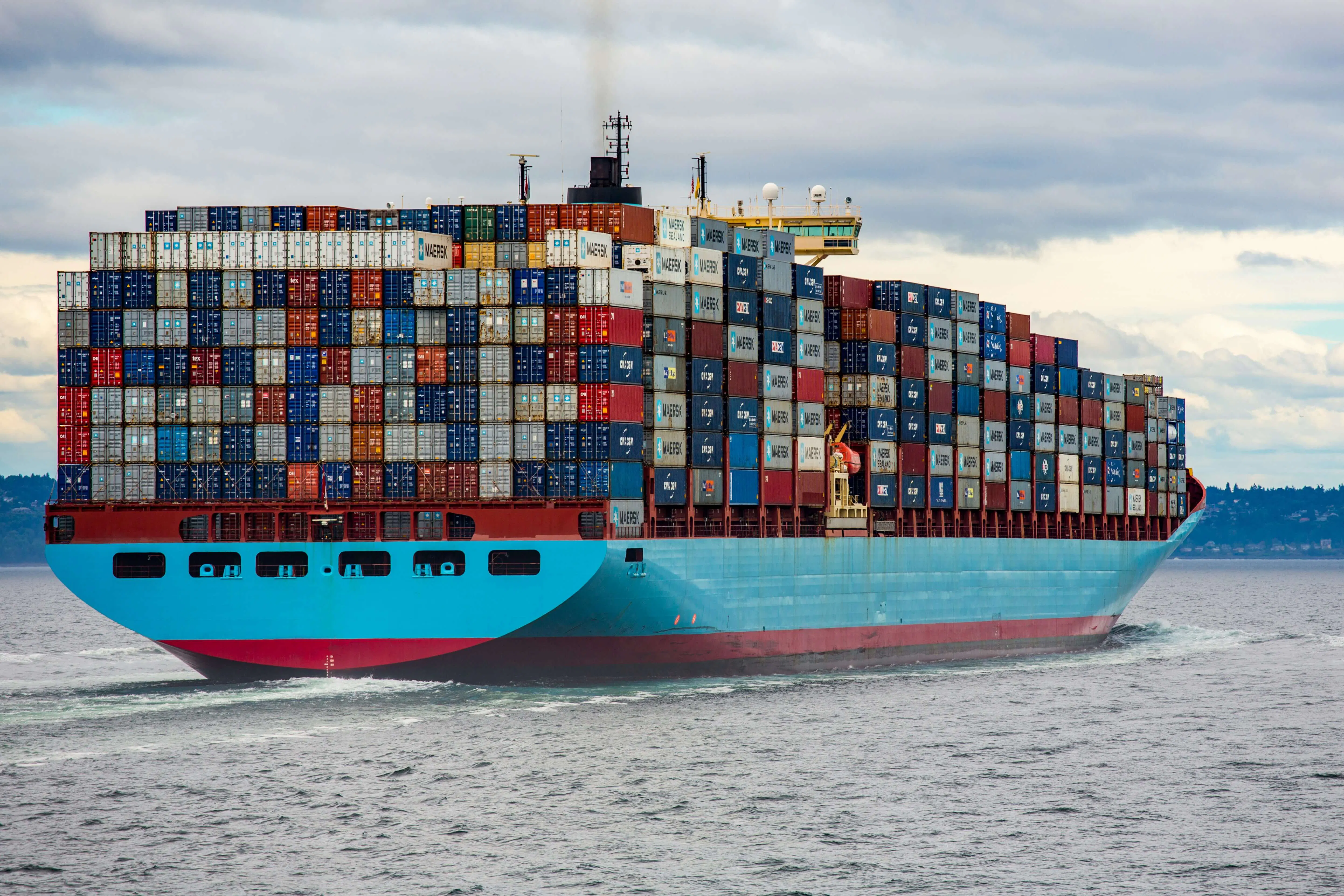
- The Hormuz Chokepoint: Iran’s effective closure of the Strait of Hormuz has stranded roughly 20% of the world's oil supply. While some "friendly" vessels (Omani, French, Japanese) have recently been allowed passage, the general blockade remains the primary driver of the "war premium.
- The Ceasefire Framework: A ceasefire proposal is currently on the table. However, Iran has rejected the immediate reopening of the Strait of Hormuz as a condition, while the U.S. has maintained a "deal or consequence" stance.
2. Impact on Gold: The Safe-Haven Anchor
Gold has behaved as a classic "fear barometer" throughout this crisis, recently surging toward $4,700/oz, with some analysts projecting a path to $5,000/oz by year-end if tensions persist.
If a Ceasefire is Reached:
- The "Relief Flush": Traders should expect a sharp, immediate correction. As the "war premium" (currently estimated at 5–10%) evaporates, gold could see a $200–$300 drop in a single session as capital rotates back into riskier assets like equities.
Long-term Support: Despite a ceasefire, the structural shift toward gold remains. Central banks (particularly in emerging markets) have been diversifying away from dollar-denominated assets at record rates since 2025. This creates a "floor" that prevents a total price collapse.
If the Conflict Escalates:
- Target $5,400+: A failed ceasefire and renewed strikes on Iranian nuclear or energy infrastructure would likely trigger a flight to safety, pushing gold toward the $5,400/oz mark rapidly.
3. Impact on Brent Oil: The Supply-Side Crisis
Brent oil is currently trading near $110/barrel, having cooled slightly from a spike past $120. Unlike gold, oil's price is driven by tangible operational disruption rather than just sentiment.
Scenario A: Successful Ceasefire & Reopening of Hormuz
- Price Crash: If the Strait of Hormuz fully reopens, the market moves from a 12 million barrel-per-day (mbpd) deficit back toward a surplus. Brent could plummet toward the $70–$80 range almost overnight.
- Trader Insight: Short-selling Brent would become the dominant trade, but "gap risk" remains high if negotiations hit a last-minute snag.
Scenario B: Continued Blockade or "No Deal"
- The $140 Ceiling: Analysts warn that if the Strait remains closed and regional storage hits capacity, Brent could surge toward $130–$140/barrel.
- Economic Dampening: At these levels, "demand destruction" begins. High fuel costs would likely trigger a global slowdown, which ironically eventually caps oil prices as consumption drops.
The "Decision Point" Strategy
Traders should watch the Tuesday deadline set by the U.S. administration. The market is currently "pricing in" a stalemate; any definitive movement—either a signed peace treaty or a confirmed new wave of strikes—will trigger massive stop-loss liquidations.
For those trading the Brent/Gold correlation: traditionally, they move together during war. However, in a "no-deal" scenario, oil may outperform gold as it faces a physical shortage, whereas gold remains a psychological and liquidity play.
The Bottom Line: We are currently in a "binary trade" environment. Traditional technical analysis is secondary to the geopolitical headlines. For Brent and Gold traders, the next few hours are not about finding a trend—they are about surviving the volatility of a world-defining decision.