The Islamabad Deadlock: What ‘No Deal’ Means for Pakistan’s Economic Horizon
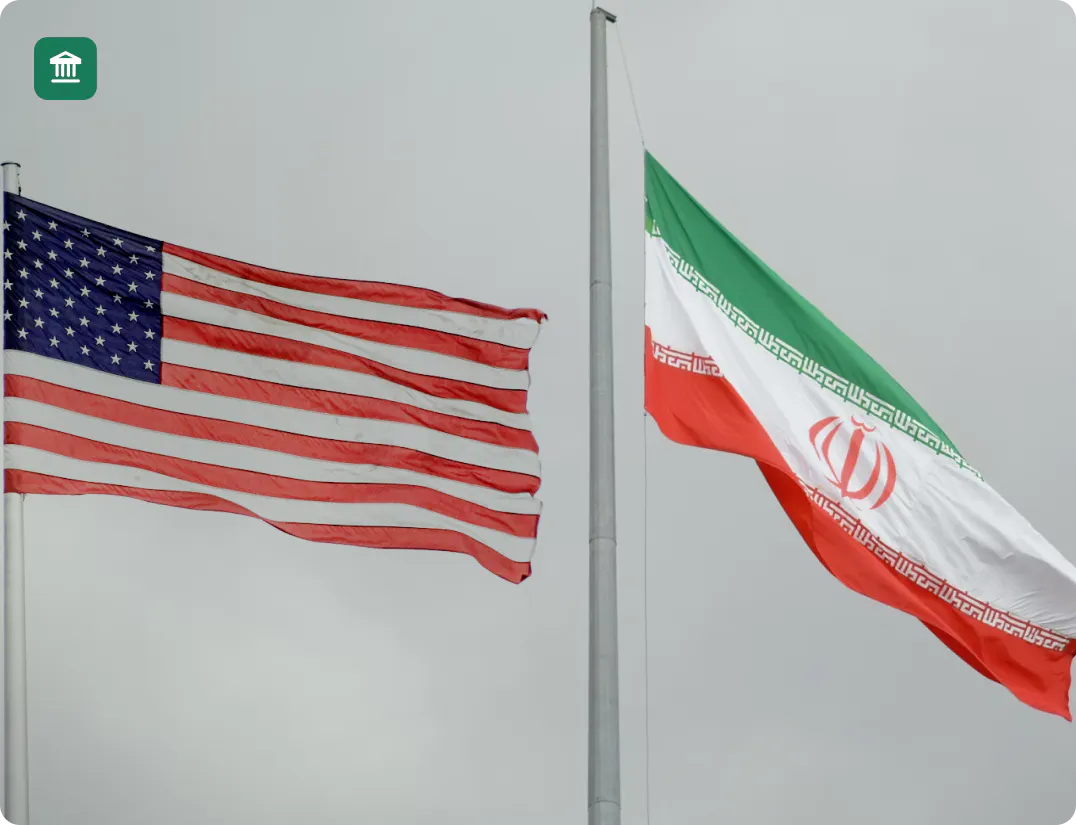
The failure of the marathon talks in Islamabad between U.S. Vice President JD Vance and Iranian officials marks a critical juncture for the region. As the mediator and host, Pakistan now finds itself in a complex economic and diplomatic position.
The eyes of the financial world were on the Serena Hotel in Islamabad this weekend as Vice President JD Vance led a 21-hour negotiation marathon with Iranian officials. The goal was clear: a permanent settlement to end the 2026 Iran War and reopen the Strait of Hormuz.
However, as Air Force Two departs from Islamabad without a signed agreement, the "No Deal" outcome leaves Pakistan’s fragile economy facing a period of high-stakes volatility. For Pakistani investors and citizens, the implications are immediate and multifaceted.
1. Energy Markets: The $100+ Barrel Reality
The most direct hit to the Pakistani pocketbook is the continued blockade of the Strait of Hormuz. With nearly 25% of global seaborne oil passing through this chokepoint, the failure to reach a deal ensures that global oil prices will remain perched above the $100-$110 per barrel mark.
- Impact on Pakistan: As a net energy importer, our import bill is set to swell. This puts renewed pressure on our foreign exchange reserves and complicates the PKR's stability against the USD.
- Domestic Fuel Prices: Expect the government to face a tough choice—either pass on these record-high global costs to the public, further fueling inflation, or increase subsidies that our current fiscal framework can ill afford.
2. The Transit Corridor: A Silver Lining?
Paradoxically, today also saw the formal launch of the Pakistan-Iran Transit Corridor, with the first export consignment of frozen meat heading toward Uzbekistan.
- While the "No Deal" on the nuclear and war front keeps heavy sanctions in play, Pakistan is successfully leveraging its geography to become a land-route hub.
- However, the long-term potential of this corridor—including the much-delayed Iran-Pakistan (IP) Gas Pipeline—remains in limbo. Without a U.S.-Iran breakthrough, the threat of "contagion sanctions" will likely keep major pipeline investments on ice.
3. Market Volatility: Gold and the PSX
For those tracking the Pakistan Stock Exchange (PSX) and local commodity markets:
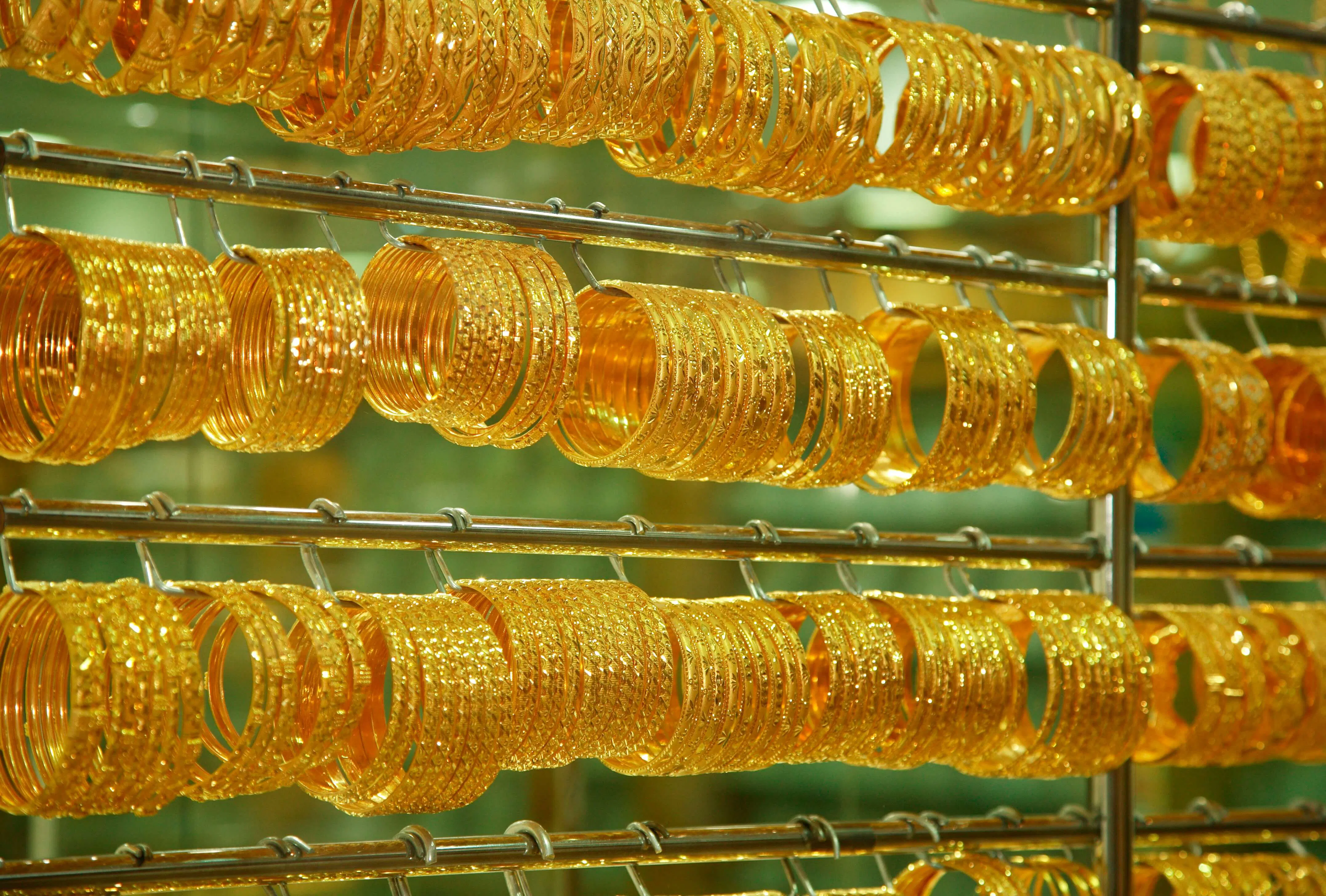
- Safe Havens: Gold has already seen significant volatility in the local market. With regional tensions remaining high, gold will likely continue its bull run as a hedge against currency devaluation and geopolitical risk.
- Investor Sentiment: The uncertainty of "what comes next" for Iran may lead to cautious trading on the PSX. Industries reliant on imported raw materials (chemicals, fertilizers, and logistics) will be under the microscope as energy costs stay elevated.
4. The Inflationary Pressure
The "No Deal" scenario acts as an "inflation export" from the Middle East to Pakistan. With shipping routes disrupted and energy prices high, the cost of logistics rises globally. For the Pakistani consumer, this means the prices of everyday goods—from cooking oil to electronics—will likely remain on an upward trajectory for the remainder of Q2 2026.
The Bottom Line
Pakistan played its part as a master mediator, bringing both sides to the table for the first high-level direct talks in decades. While the diplomatic effort was a success for Islamabad's standing, the economic reality of a "No Deal" is a sober one.
As Iran makes its "final decision" regarding the terms left on the table by Vance, the coming days are critical. For the readers of PakFinance Hub, the strategy is clear: Watch the oil markets, monitor the PKR/USD parity closely, and brace for a persistent high-inflation environment.
Stay tuned to PakFinance Hub for real-time alerts on market movements and expert analysis on the evolving geopolitical landscape.