Hormuz Reopens: The World’s Oil Hub is Back in Business
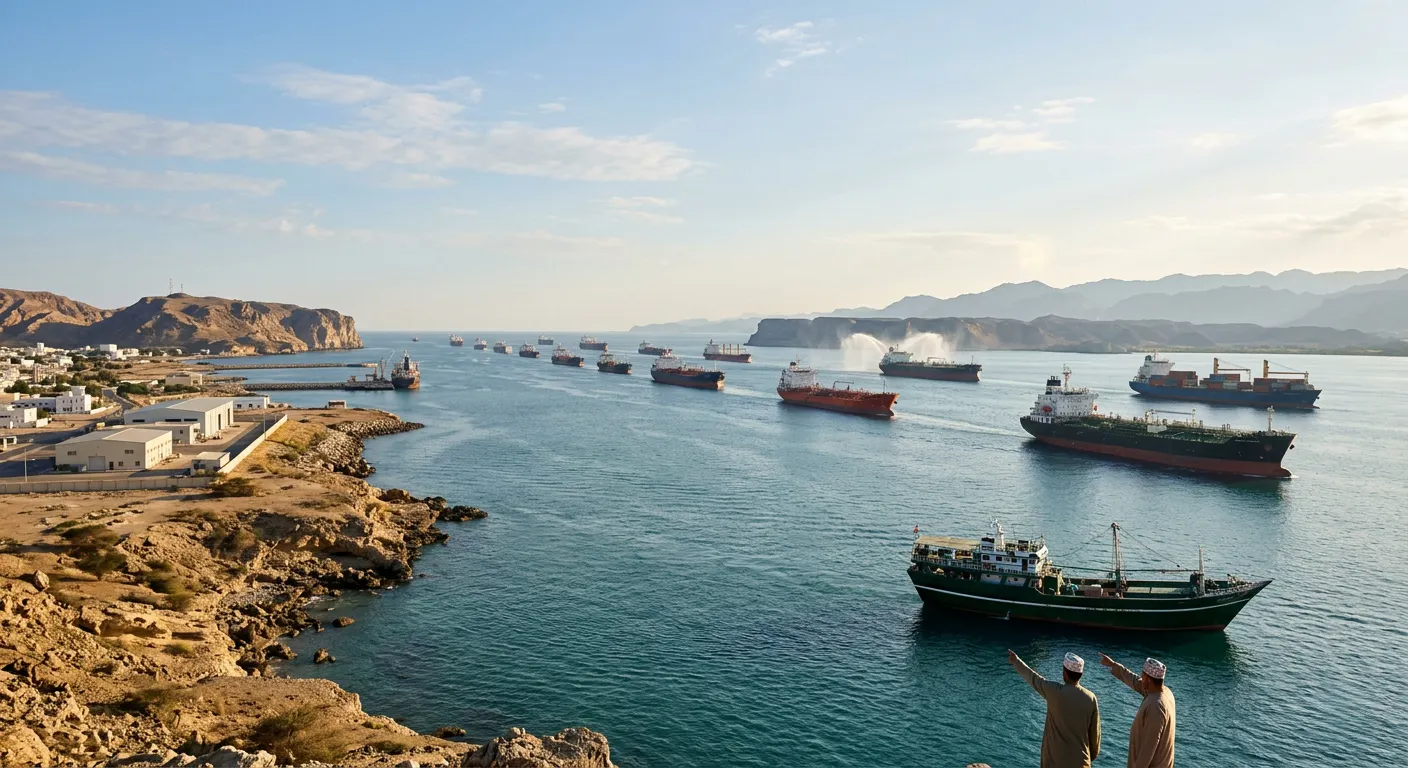
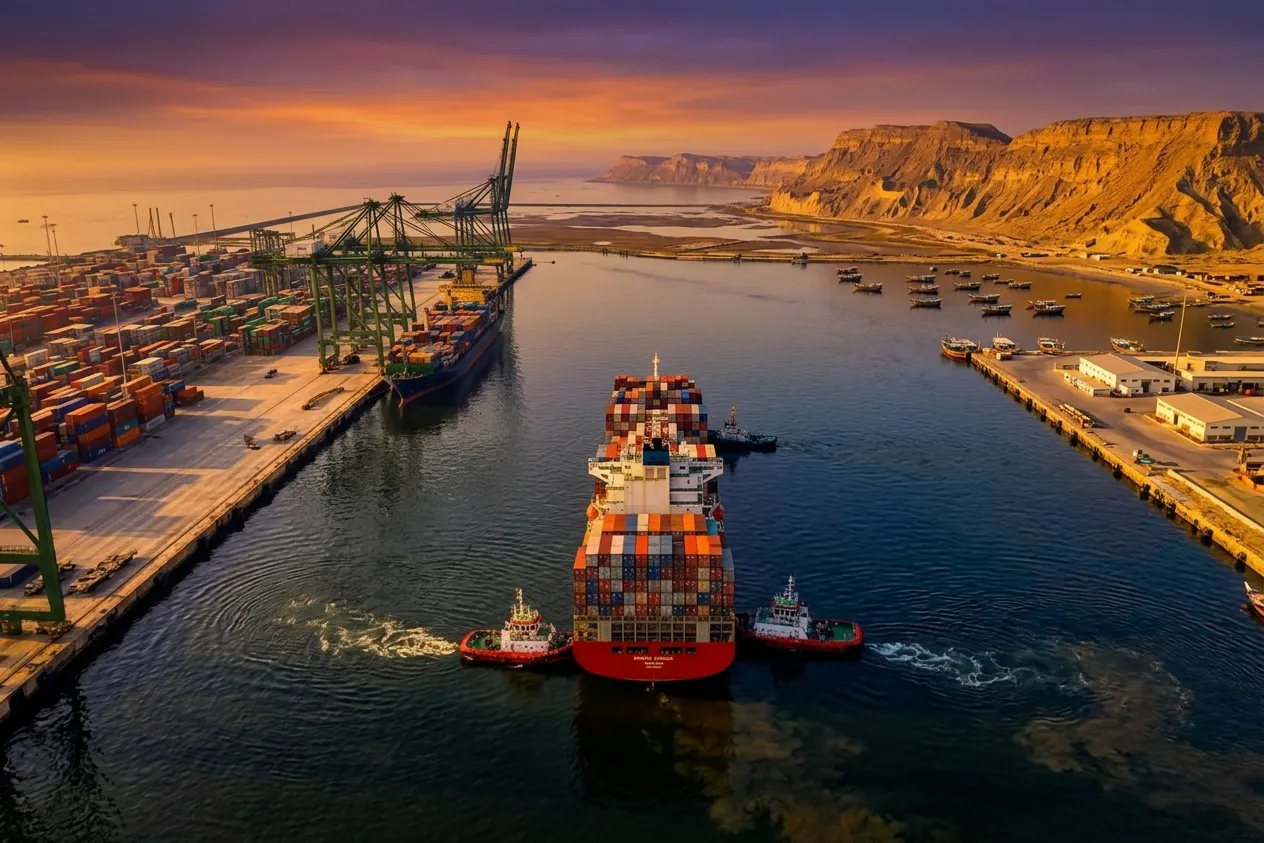
The global economy just exhaled. Following weeks of tension and a localized naval blockade, the Strait of Hormuz has been declared "completely open" for commercial vessels. The announcement, confirmed by both Iranian officials and U.S. President Donald Trump on April 17, 2026, marks a critical turning point in the recent Middle Eastern conflict.
The Breakthrough
The reopening comes on the heels of a 10-day ceasefire in Lebanon between Israel and Hezbollah. While a broader U.S.-Iran peace deal is still being hammered out, the decision to allow commercial traffic to resume through the world’s most vital maritime choke point has provided immediate relief to international markets.
Why This Matters
The Strait of Hormuz is the jugular vein of the global energy trade. To put its importance into perspective:
- Energy Flow: Roughly 20% of the world’s petroleum and nearly 20% of global Liquefied Natural Gas (LNG) passes through this 21-mile-wide passage.
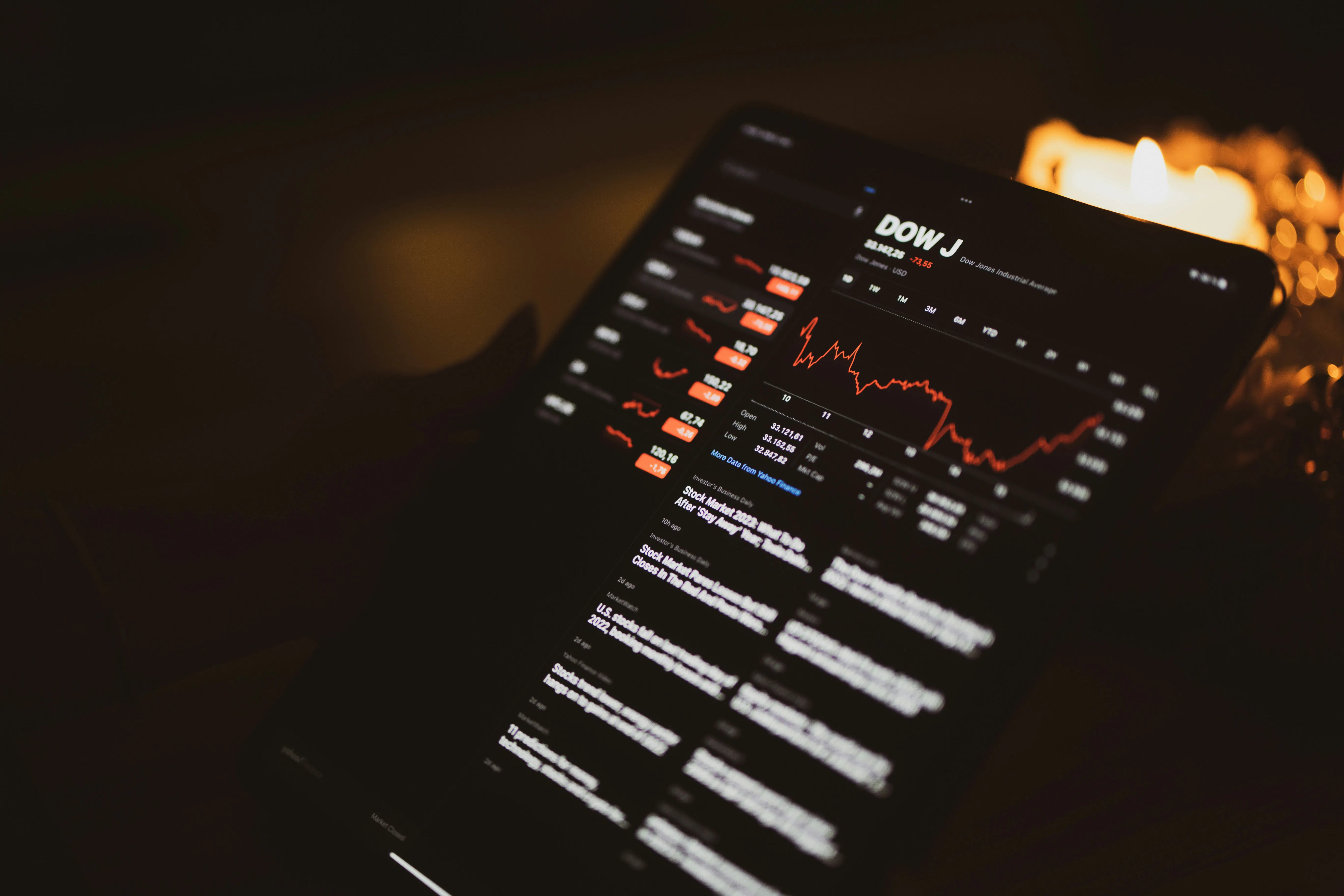
- Market Impact: Within hours of the announcement, Brent crude oil prices tumbled by 11%, falling back below the $90 mark.
- Economic Stability: The closure had sent freight rates and insurance premiums soaring, threatening a global "inflation shock." Its reopening suggests that while the "clock of war" hasn't stopped, the immediate threat of a global recession has been dialed back.
The Fine Print
The "open" status is currently tied to the duration of the Lebanon ceasefire. Furthermore, while Iran has cleared the way for commercial tankers, the U.S. has clarified that its specific naval blockade on Iranian ports and suspected contraband vessels will remain in effect until a "100% complete" transaction or peace deal is signed.
For now, the backlog of tankers is moving, and the global supply chain is beginning to untangle. It’s a fragile peace, but for the global economy, it’s the best news in months.