The Gwadar Pivot: Securing Global Trade in the Post-Hormuz Era
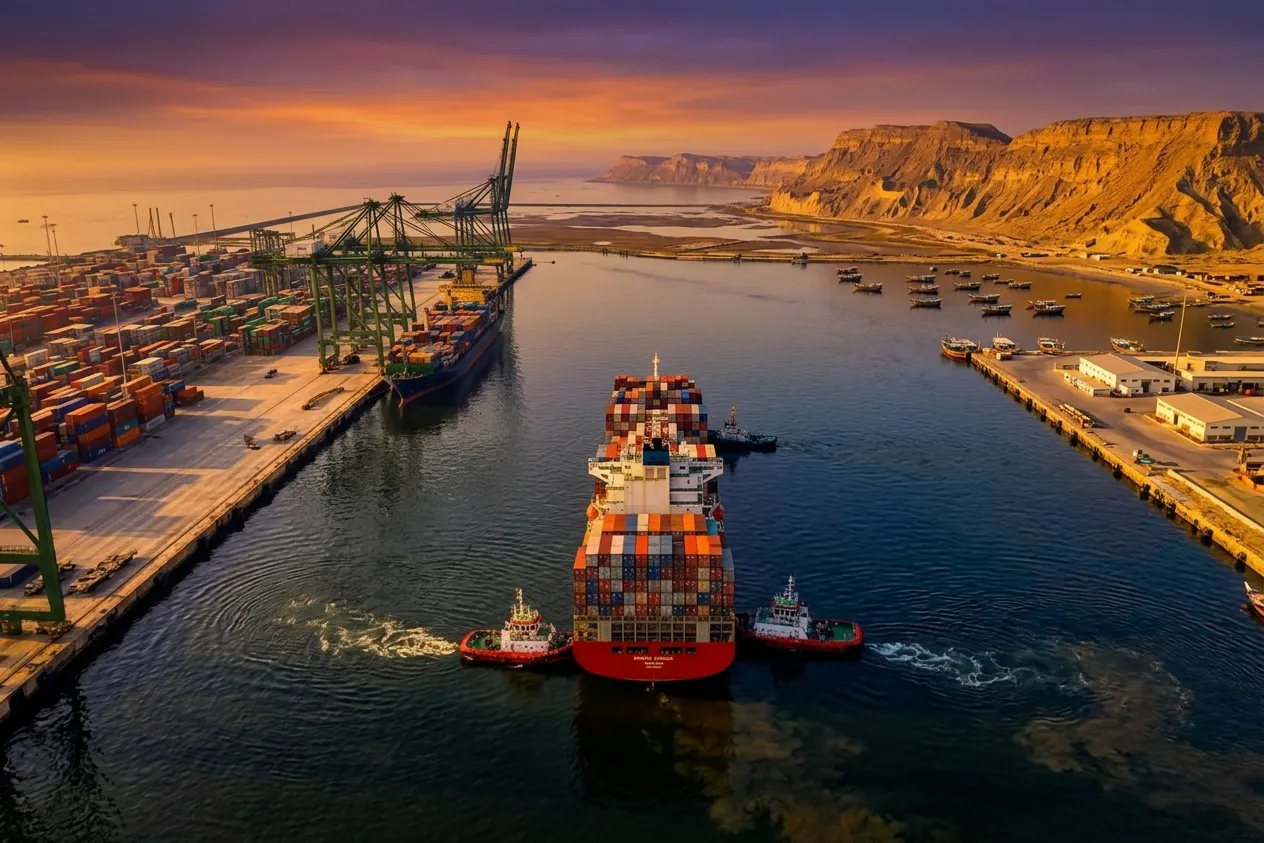
The global maritime landscape has been fundamentally reshaped by the 2026 Strait of Hormuz Crisis. As the primary artery for 20% of the world’s oil and LNG remains effectively shuttered due to regional conflict, the geopolitical "center of gravity" is shifting 800 kilometers east. Gwadar Port, once criticized as a "sleeping giant," has suddenly become the most critical contingency for regional stability. Below is a definitive analysis of the current state of affairs and Gwadar's evolving role as a global transshipment savior.
1. The Death of the "Hormuz Monopoly"
The closure of the Strait of Hormuz on March 4, 2026, triggered a systemic collapse of the traditional Gulf trade model. The figures are staggering:
- GDP Contractions: Nations like Kuwait and Qatar are facing up to 14% GDP declines due to stranded exports.
- The Food Security Gap: 70% of the GCC’s food imports previously transited the Strait. With the blockade, the region has faced a "grocery supply emergency," forcing a frantic search for alternative entry points.
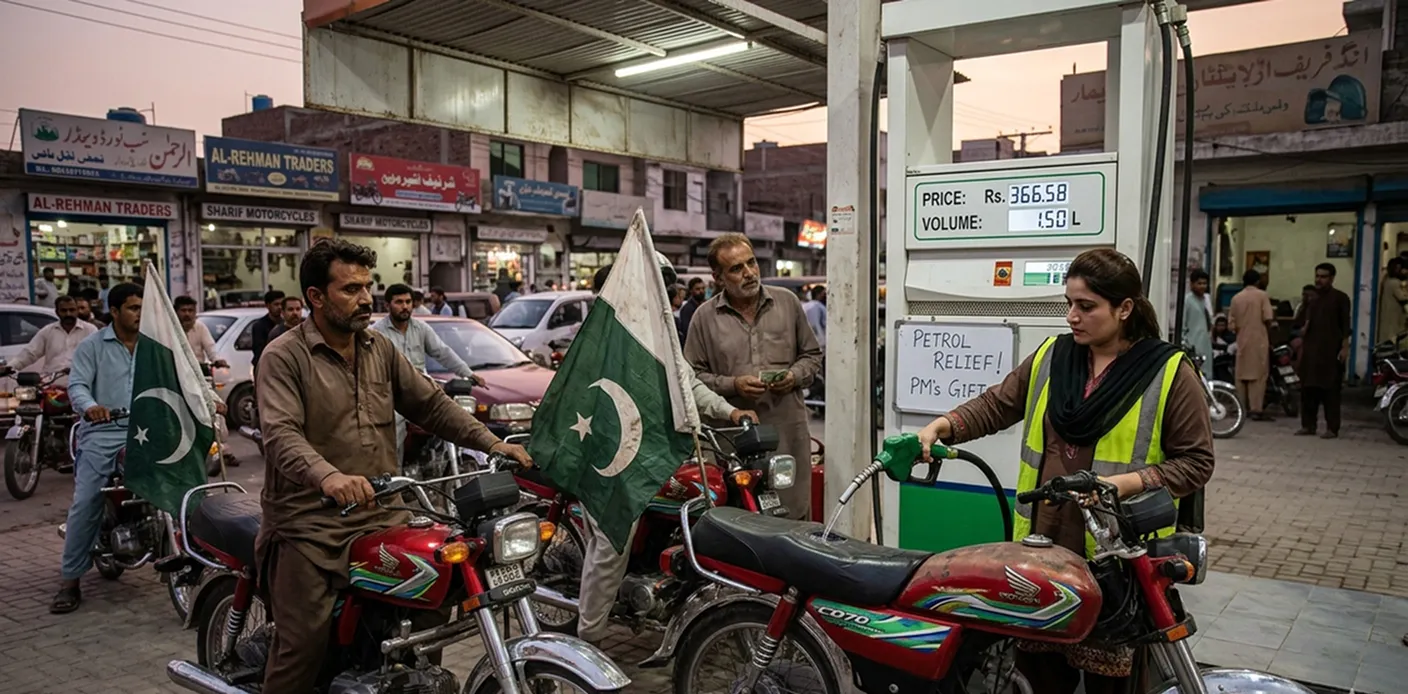
- Energy Shock: Brent Crude surged past $120 per barrel following the closure, rendering the Persian Gulf a "dead zone" for international insurers.
2. Gwadar as the "Out-of-Strait" Solution
Because Gwadar lies outside the Persian Gulf and the immediate volatility of the Strait, it has transformed from a secondary CPEC project into a primary global hub.
The Transshipment Surge
In March 2026, the Pakistan Ministry of Maritime Affairs officially positioned Gwadar as the lead alternative for regional transshipment.
- Operational Readiness: Ships like the MV Riva Glory recently berthed with over 14,600 metric tonnes of cargo, signaling that the port is no longer just a "dry run" facility but a functional logistics engine.
- The Blue Economy Pivot: Pakistan has expanded its Special Economic Zones (SEZs) from 7 to 44 approved zones as of early 2026. This industrial "embeddedness" allows raw materials arriving at Gwadar to be processed locally before being moved via the newly opened Iran-Transit Corridor.
3. Diplomatic Realignment: The "Central Asian Vector"
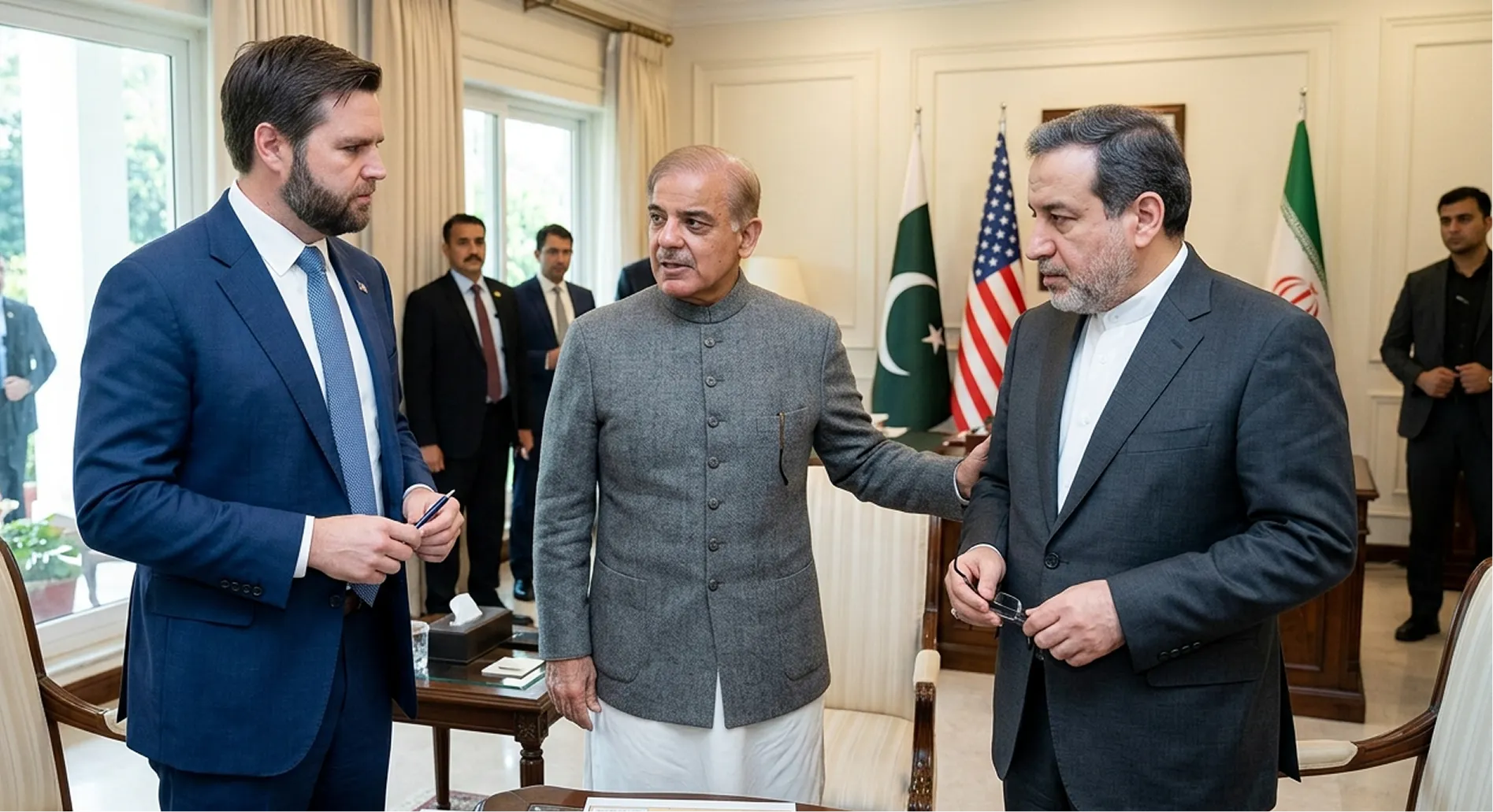
The crisis has forced a pragmatic diplomatic thaw. In a rare move, Islamabad and Tehran have solidified a new transit corridor that links Gwadar to Central Asia via Iranian land routes.
- CPEC 2.0: China is leveraging the 75th anniversary of diplomatic ties (2026) to push Gwadar as the "Northern Anchor" for a multimodal corridor involving Afghanistan and Uzbekistan.
- The GCC’s New Life-Line: To bypass the blockade, GCC states are looking at Gwadar-Oman connections. By landing cargo at Gwadar and using "short-sea" shipping to Omani ports like Duqm or Salalah (which sit on the Indian Ocean), the GCC can bypass the Strait entirely to secure food and medical supplies.
4. Challenges: Securitization vs. Commercialization
While the geographic situation favors Gwadar, two major hurdles remain:
- The Security Tax: The port’s transformation into a strategic asset has increased its "securitization" costs. Ensuring the safety of the inland routes to China and Central Asia remains a high-stakes endeavor for the Pakistan military.
- Debt Transparency: Under IMF-backed reforms, Pakistan is balancing the $70 billion CPEC portfolio with the need for greater financial clarity. However, the sheer volume of transshipment fees now being generated is helping offset these liabilities for the first time in a decade.
The Bottom Line
In 2026, Gwadar is no longer just a Pakistani port; it is the global insurance policy for a world without the Strait of Hormuz. As shipping lines move their operations from Jebel Ali and Doha toward the Arabian Sea, the "Gwadar-first" strategy is moving from a theoretical vision to an absolute economic necessity.
Key Takeaway for 2026: Any maritime entity or regional power failing to integrate Gwadar into their supply chain is now operating with a 100% dependency on a closed waterway. The future of the Indian Ocean trade is being written in Balochistan.