Islamabad Insider: Deciphering the Peace Process
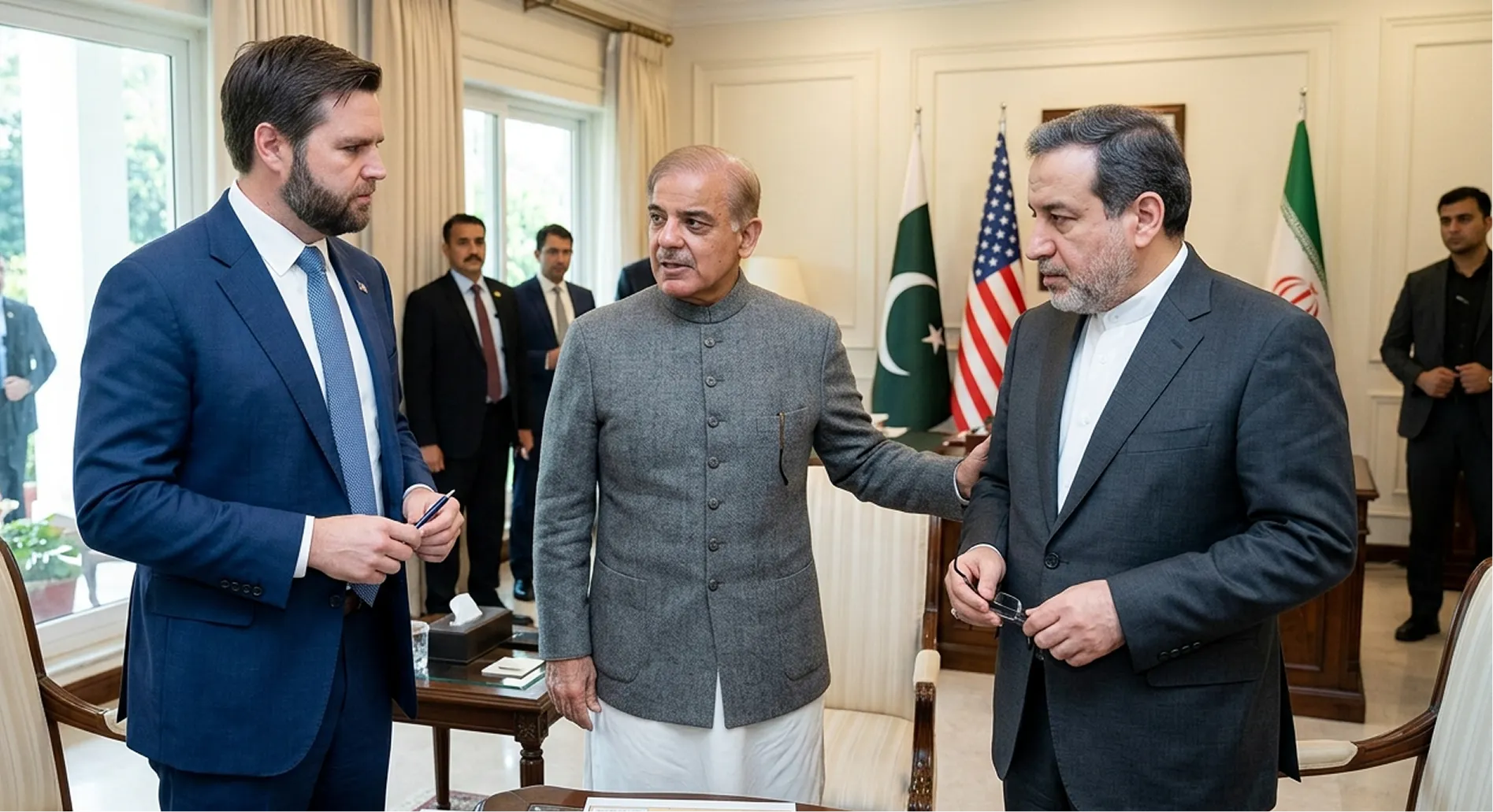
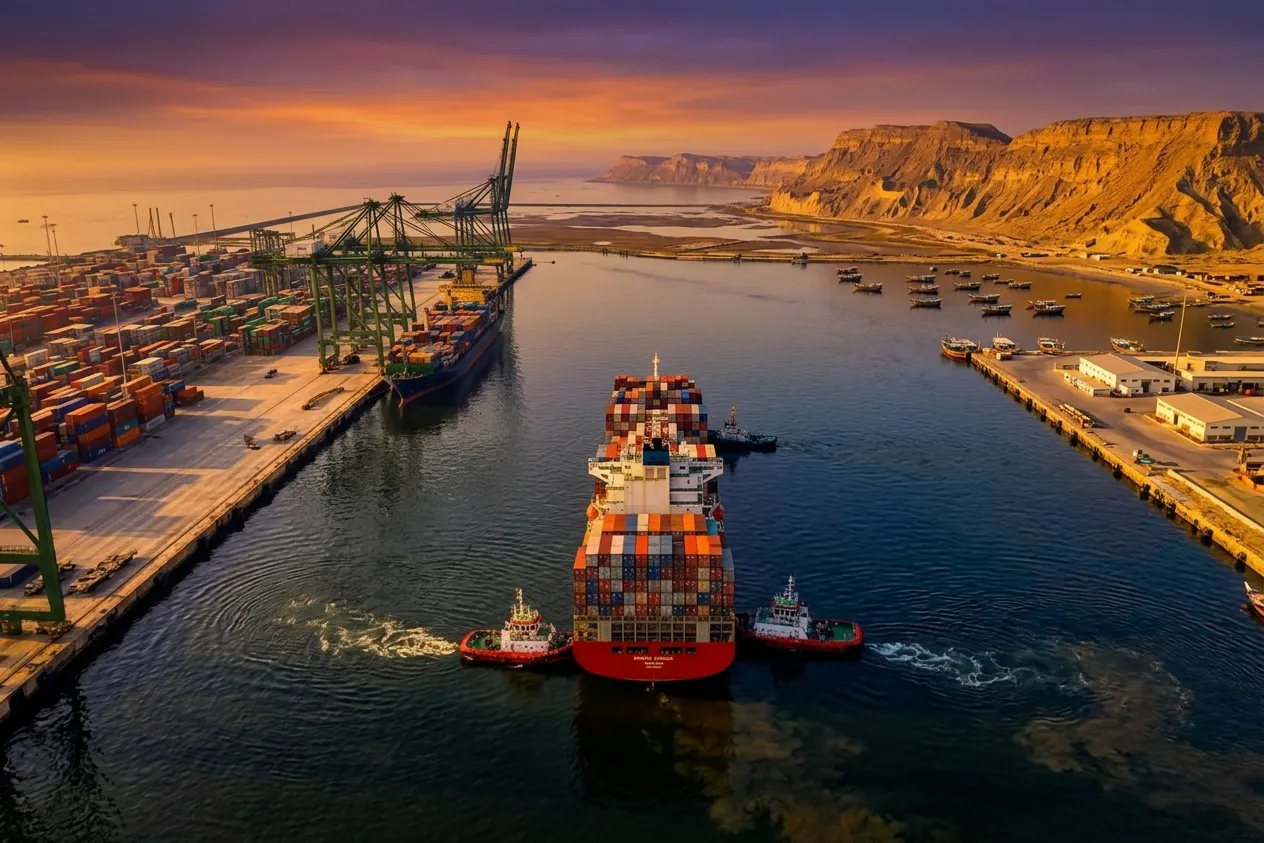
As of mid-April 2026, the anticipation for a second round of peace talks in Islamabad is exceptionally high due to the dramatic failure of the marathon negotiations held just days ago (April 11–12) at the Serena Hotel. The talks are not just another regional diplomatic effort; they are the primary mechanism for ending the 2026 U.S.–Iran War, which has seen the Strait of Hormuz effectively shuttered and global energy markets in turmoil.
Why a Second Round is Anticipated
While the first 21-hour session ended without a deal, several factors are pushing the delegations—led by U.S. Vice President JD Vance and Iranian Speaker Mohammad Baqer Qalibaf—back to the table as early as this weekend (April 17–19):
- The "Final Offer" Tension: VP Vance described the previous U.S. proposal as a "final and best offer," but President Trump’s subsequent announcement of a naval blockade indicates a "maximum pressure" tactic to force Iran back to the table.
- The 45-Day Ceasefire Goal: Mediators, including Pakistan’s Prime Minister Shehbaz Sharif and Field Marshal Asim Munir, are pushing for a stabilized ceasefire to prevent the conflict from expanding into a total regional collapse.
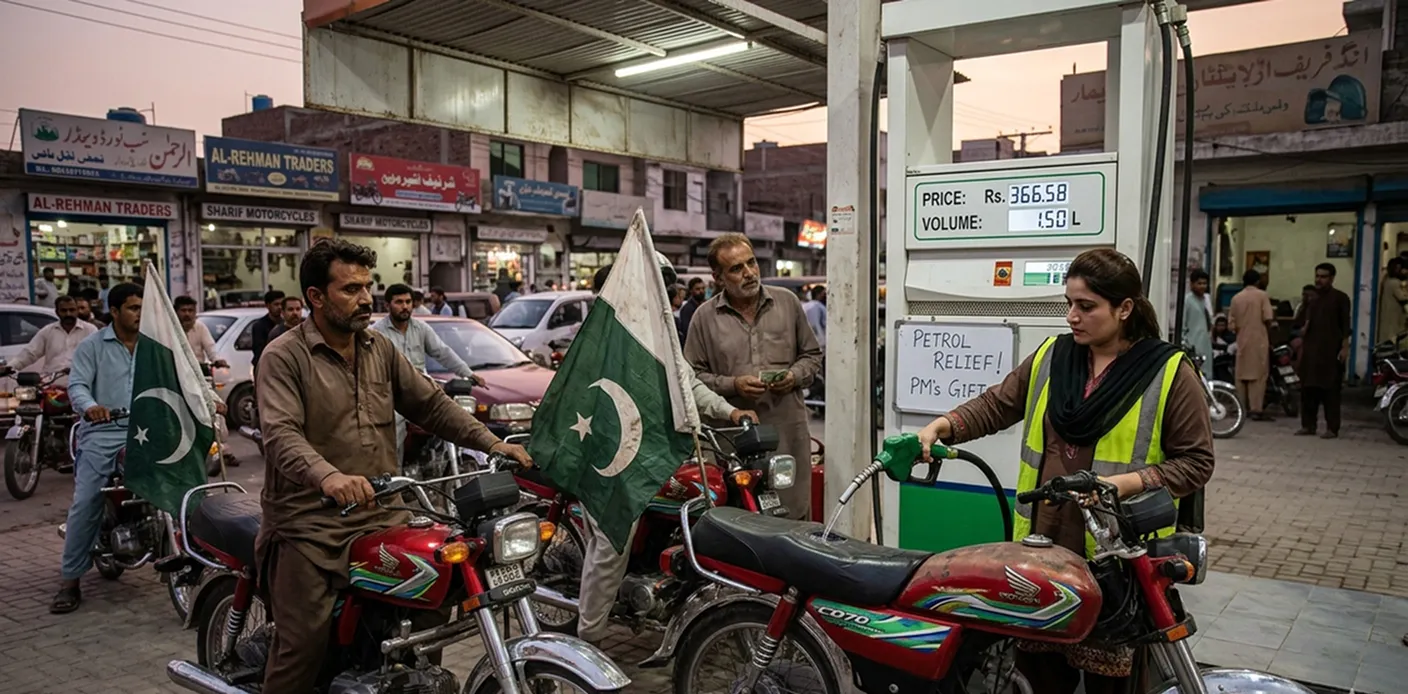
- Economic Desperation: Both sides are feeling the heat. Iran is grappling with the total blockade threat, while the U.S. is facing intense international pressure to reopen the Strait of Hormuz to stabilize global oil prices.
- Positive Signals: Despite the initial walkout, Iranian officials have signaled they are "open to a second round," and Trump mentioned on April 13 that Iran had reached out wanting to "work a deal."
Unique Insight: The "Islamabad Advantage"
Unlike previous rounds in Qatar or Turkey, the Islamabad Talks are unique because of Pakistan's specific leverage. Pakistan is currently acting as a "security guarantor" for the logistics of the meeting, providing a neutral ground where direct (rather than indirect) talks can happen.
Observers suggest that if a deal is reached, it will likely involve a "Security for Sovereignty" swap: Iran guarantees the safety of the Strait of Hormuz in exchange for the lifting of the secondary sanctions that have crippled their economy during this seven-week war.