The $3.5 Billion Divorce: Why the UAE Wants its Money Back Now

Pakistan’s economic landscape has just taken a dramatic, high-stakes turn. In a move that has surprised both local analysts and international observers, Islamabad has decided to repay $3.5 billion in debt to the United Arab Emirates (UAE) ahead of schedule. While the Ministry of Finance has officially framed this as a commitment to "national dignity," the sudden settlement of these long-standing deposits has sent ripples through the currency markets. At PakFinanceHub, we’re breaking down the diplomacy, the debt, and what this means for your wallet.
The $3.5 Billion Handshake: Why Now?
Since 2019, the UAE has been a cornerstone of Pakistan’s external stability, rolling over multi-billion dollar deposits to keep our foreign exchange reserves afloat. However, the atmosphere has shifted. Reports suggest that Abu Dhabi sought an immediate settlement, reflecting a "new era" in bilateral relations where traditional financial cushions are no longer guaranteed.
By clearing this $3.5 billion liability, Pakistan is essentially walking a tightrope:
- The Reserve Hit: A $3.5 billion payout represents roughly an 18% drop in the State Bank’s current reserves.
- The Dignity Factor: The government is signaling that it would rather pay up and stay independent than continue under increasingly stringent "month-to-month" extensions.
A New Triangle: Saudi Arabia & Qatar Step In
Pakistan isn't walking this path alone. In a classic display of "economic musical chairs," as the UAE exits the creditor seat, Saudi Arabia and Qatar are moving in.
Fresh reports indicate a $5 billion lifeline is being negotiated from Riyadh and Doha. This shift is critical. If these inflows arrive quickly, they will act as a "firewall" for the Rupee, preventing a freefall that often follows a sharp drop in central bank reserves.
What This Means for the Rupee and Your Savings
For the average Pakistani, the "cost of connection" is measured in the value of the Rupee.
- Short-term Volatility: Until the Saudi and Qatari funds are physically transferred, the Rupee will face immense speculative pressure. Markets dislike uncertainty, and the sudden UAE exit has created plenty of it.
- IMF Pressure: The IMF program requires Pakistan to maintain specific reserve levels. Replacing the UAE with Qatar/KSA is a "net positive" in terms of volume ($5bn vs $3.5bn), but the timing is everything.
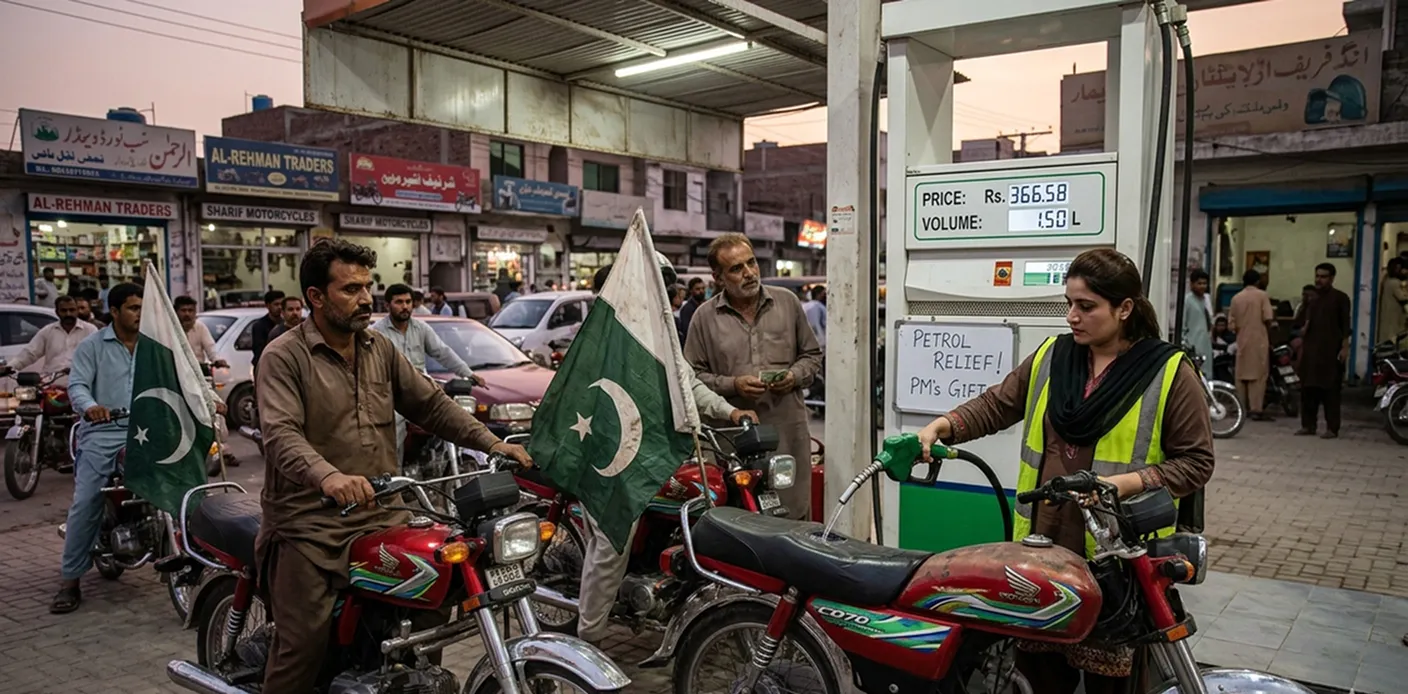
- Inflation Watch: If the Rupee weakens during this transition period, the cost of imports—fuel, electricity, and raw materials—will inevitably rise.
The Bottom Line
We are witnessing a major pivot in Pakistan’s economic diplomacy. The UAE is no longer the "silent guarantor" it once was, and the focus has shifted toward deeper alliances with Riyadh and Doha.
For investors and citizens, the message is clear: Keep a close eye on the reserve data for the next 14 days. The success of this "repayment gamble" depends entirely on how fast our other allies can plug the gap.
Stay tuned to PakFinanceHub for real-time updates on the Rupee's performance and the latest from the Finance Ministry’s mission in Washington.